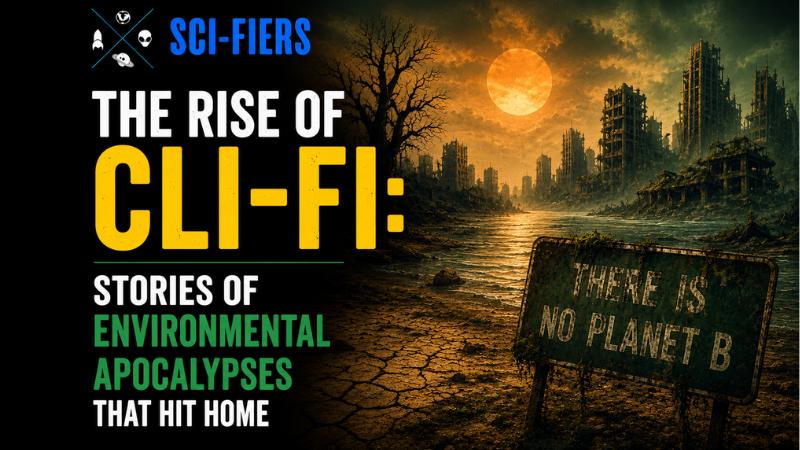
Let’s talk about a subgenre that’s been grabbing our attention: climate fiction, or cli-fi. These are stories that lead us headfirst into the messy, terrifying, and sometimes hopeful realities of a planet pushed to its limits. With wildfires, floods, and heatwaves making headlines in 2025, cli-fi feels less like fiction and more like a mirror to our world. So, grab a (reusable) coffee mug, and let’s chat about some novels and movies that nail this topic.
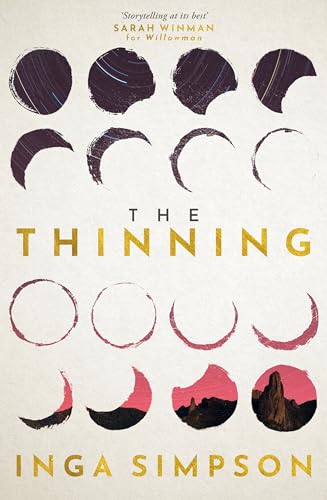
Cli-fi isn’t new, but it’s having a moment. It’s like the genre woke up and said, “Hold my solar-powered cup of coffee.” One book that’s been on everyone’s radar is The Thinning by Inga Simpson. This 2024 novel presents a haunting picture of an Australia scorched by climate collapse, where communities fracture under the weight of drought and desperation. Simpson’s prose is raw, almost like you can feel the cracked earth under your feet. It’s not just about the environment—it’s about how people cling to hope or lose themselves when the world changes too fast. I read it in one sitting, and let me tell you, it left me staring at my ceiling, thinking about my water bill.
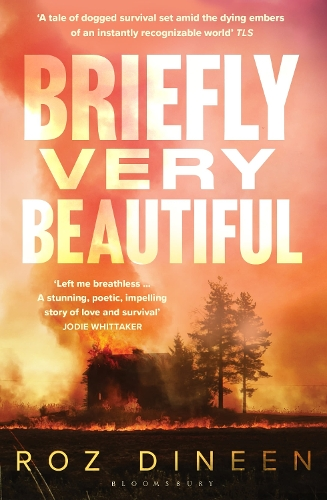
Another gem is Roz Dineen’s Briefly Very Beautiful, also from 2024. This one’s a gut-punch, following a mother navigating a near-future London unraveling from climate chaos. The way Dineen weaves personal loss with societal breakdown? It’s like she’s whispering, “This could be us.” The characters feel so real, like your neighbor who’s still trying to grow tomatoes despite the heatwaves. These novels don’t just scream “climate crisis”; they show how it messes with our lives, our relationships, our sanity.
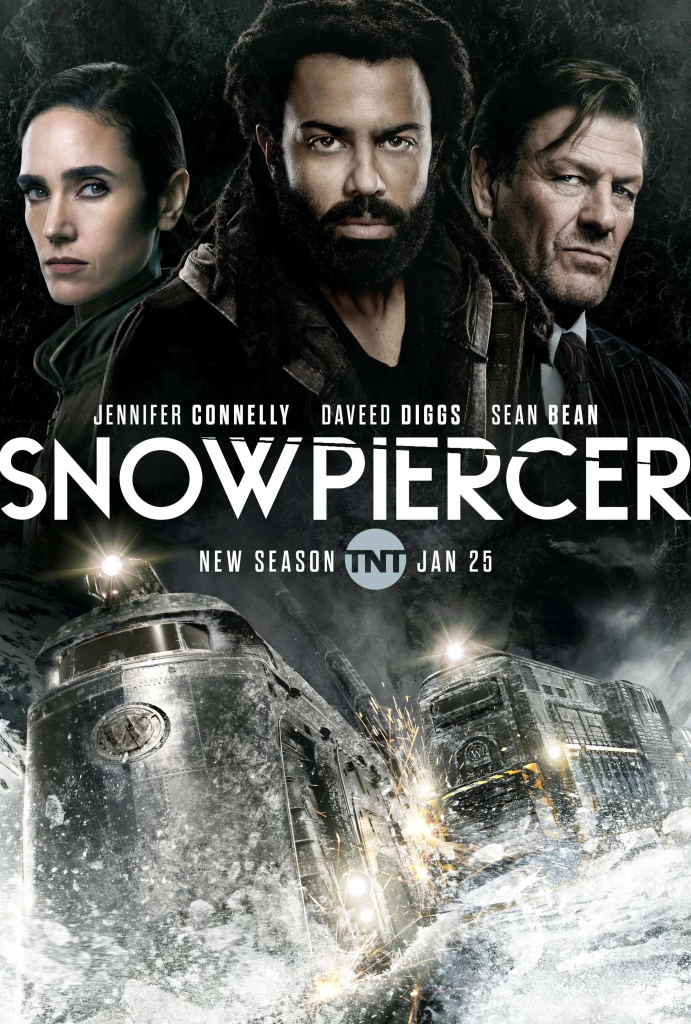
On the movie front, cli-fi’s been serving up some stunners. Remember Snowpiercer (2013)? That frozen dystopia where survivors cram into a train circling a dead Earth? It’s gritty, class-war cli-fi at its best, showing how environmental collapse amplifies inequality. Fast-forward to 2024, and we got The End We Start From, based on Megan Hunter’s novel. Jodie Comer stars as a new mom fleeing a flooded London, and it’s less about CGI disasters and more about quiet, human survival. The film’s strength is its intimacy—like, you’re right there with her, wading through the muck, heart pounding.
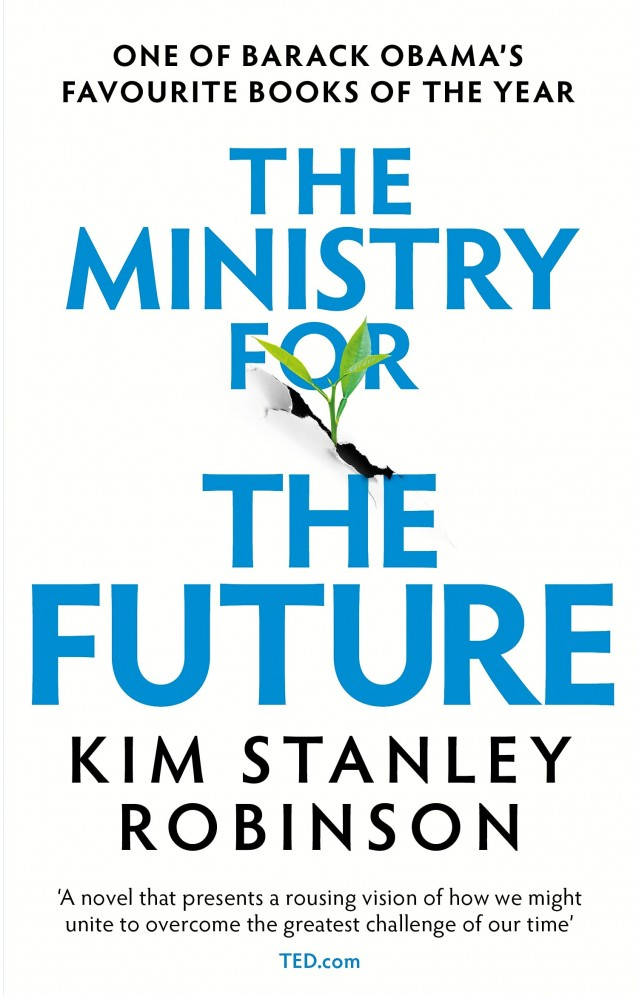
Why are we so obsessed with these stories? Maybe because they’re cathartic. In 2025, we’re all a bit anxious about the planet, right? Cli-fi lets us face those fears through fiction, but it also sparks ideas. Take Kim Stanley Robinson’s The Ministry for the Future (2020), a novel that’s practically a cli-fi bible. It’s dense, sure, but it’s packed with solutions—like geoengineering and carbon taxes—wrapped in a story of global survival. It’s not all doom; it’s a nudge to think, “Maybe we can fix this.”
Movies like Mad Max: Fury Road (2015) lean into the apocalyptic domani with its desert wastelands and water wars. It’s a wild ride, but beneath the explosions, it’s a warning: this is what happens when resources run dry. It may not be purely sci-fi, but yes, it is linked to cli-fi. Moreover, cli-fi doesn’t always offer answers, but it forces us to ask questions. Like, how do we live ethically when the world’s falling apart? Or, can we rebuild without repeating the same mistakes?
Do you have a favorite cli-fi novel or a movie? Share your thoughts with us!