When personalization becomes prediction—and prediction becomes control
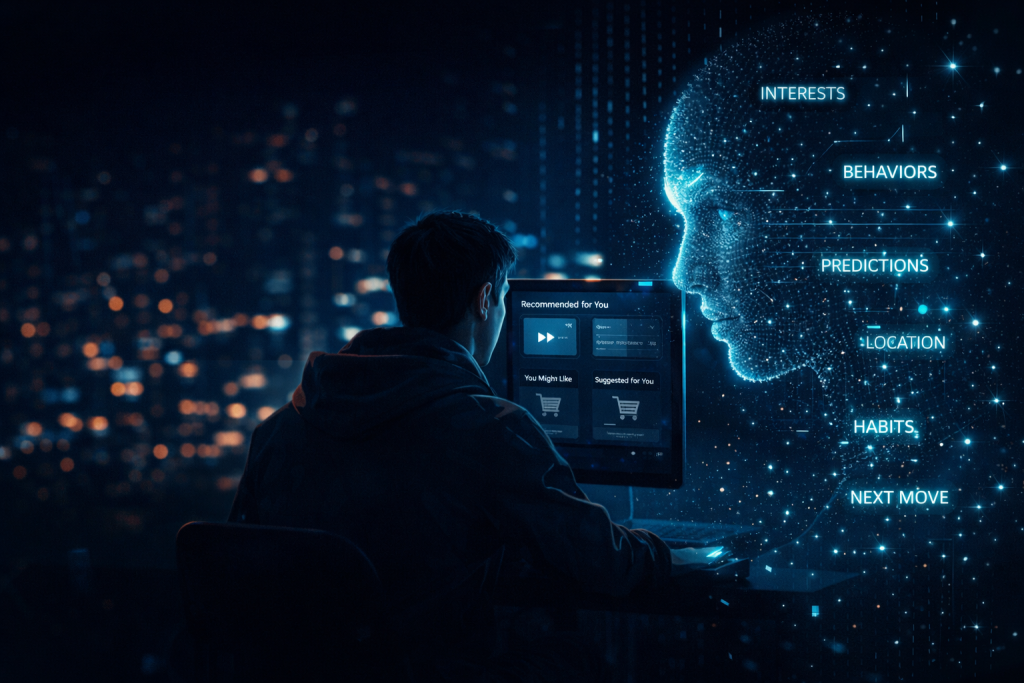
We like to believe we are in control of our choices. We decide what to watch, what to buy, and even what to think. But what if those choices are not entirely ours anymore? Every day, algorithms study us. They track what we click, how long we watch a video, what we search for, and even when we pause. At first, this feels helpful. Your phone suggests songs you enjoy. Your shopping app shows things you might need. Your feed feels “personal.” It saves time. It feels smart. But then the daunting reality hits!
Personalization slowly turns into prediction.
The system does not just respond to your behavior, it starts to guess it. It learns your habits so well that it can predict what you will want before you even realize it. It knows when you are bored, when you are stressed, and when you are most likely to spend money. It begins to shape your choices by deciding what you see and what you don’t.
And this is where control quietly enters.
If an algorithm controls what appears in front of you, it also controls what stays hidden. Over time, your world becomes smaller. You see more of what you already agree with. New ideas become rare. You feel like you are exploring freely, but in reality, you are walking inside a system designed for you.
This does not mean algorithms are evil. They are tools. But tools become powerful when they are invisible. When you stop noticing them, they start guiding you without resistance.
The real question is not whether algorithms know us well. It is whether we still know ourselves. Are you choosing what you like, or liking what you are shown?
The answer may not be as clear as we think.